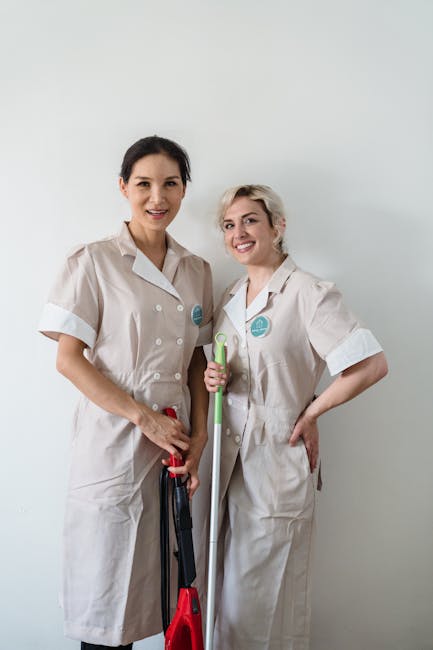
Licensed cleaners West Hendon Barnet Council standards: what to expect, how to check, and why it matters
If you are comparing licensed cleaners West Hendon Barnet Council standards, you are probably after two things at once: a cleaner who does the job properly, and the peace of mind that comes from knowing they work to sensible local standards. Fair enough. Nobody wants a beautiful carpet, sofa, or rug cleaned by someone who turns up unprepared, leaves damp patches behind, or treats your home like a quick in-and-out job.
This guide breaks down what "licensed" and "standards" really mean in everyday terms, how to assess a cleaner in West Hendon, and what good practice looks like from first enquiry to final inspection. It also explains the practical bits people often miss: insurance, safety, pricing clarity, complaints handling, and the difference between a decent clean and a risky one. If you want confidence before you book, you are in the right place.
- Why licensed cleaners and Barnet Council standards matter
- How the standards and checks usually work
- Key benefits and practical advantages
- Who this is for and when it makes sense
- Step-by-step guidance
- Expert tips for better results
- Common mistakes to avoid
- Tools, resources and recommendations
- Law, compliance and best practice
- Options, methods and comparison table
- Case study or real-world example
- Practical checklist
- Conclusion
- Frequently asked questions
Why Licensed cleaners West Hendon Barnet Council standards Matters
Let's start with the simple bit: when people search for licensed cleaners, they are usually trying to avoid low-quality service and reduce risk. In a busy part of north-west London, where homes, flats, rental properties, and commercial spaces all need different approaches, standards matter a lot. A cleaner working responsibly should understand fabric types, water use, drying times, stain risks, and the basics of health and safety. That sounds obvious, but in practice it is where many problems begin.
For local customers, Barnet Council standards are part of a broader expectation of professionalism. Even when a specific service is not formally "licensed" in the way some trades are regulated, the business should still behave like a proper, accountable provider. That means clear communication, safe working practices, fair pricing, and respect for the property. If a company cannot explain its process, insurance, or complaints route in plain English, that is a small warning sign. Not a disaster, but worth noticing.
There is also the trust factor. Your cleaner may be working around family life, pets, mobility aids, expensive rugs, or office equipment. A rushed or careless job can leave odours, residue, and even long-term damage. To be fair, you only need one bad experience with over-wet carpets or an unpleasant chemical smell to understand why standards are not just paperwork. They are the difference between "job done" and "job done properly."
How Licensed cleaners West Hendon Barnet Council standards Works
The phrase sounds formal, but the process is usually practical. A responsible cleaning company will start by assessing the surface, the soil level, and any specific risks. For example, a wool rug needs a more careful approach than a synthetic hallway carpet, and a velvet sofa is a completely different conversation from office carpet tiles. The cleaner should ask questions before arriving, not after the damage is done. Sensible, really.
In a good workflow, you can expect some version of the following:
- Initial enquiry and quote - You describe the item or area, the level of soiling, and any stains, odours, pets, or access issues.
- Pre-clean assessment - The cleaner checks fabric type, condition, room layout, and drying space.
- Method selection - Steam cleaning, hot water extraction, low-moisture methods, or spot treatment may be considered depending on the material.
- Safety and preparation - Furniture movement, vacuuming, testing on discreet patches, and protection of nearby surfaces should happen first.
- Cleaning and monitoring - The cleaner works carefully, watches moisture levels, and adjusts technique if a stain reacts badly.
- Final review - You should be shown the result, any limitations should be explained, and drying advice should be clear.
Where local standards matter most is in consistency. A cleaner should not improvise wildly from one property to the next. They should have a method, explain it, and adapt it sensibly. That is the sweet spot.
If you are looking at a company's wider professionalism, pages like about us, health and safety policy, and insurance and safety can tell you a lot without anyone needing to say too much. You want signs of process, not vague promises.
Key Benefits and Practical Advantages
Choosing cleaners who work to recognised standards gives you more than a neat finish. It reduces hassle, protects your furnishings, and usually gives you a better long-term result. Here are the main benefits people tend to notice first.
- Less risk of damage - Good cleaners test fabrics, use the right moisture level, and avoid harsh treatment.
- Better hygiene - Proper cleaning lifts dirt, residues, allergens, and everyday grime from fibres rather than just masking it.
- More reliable drying - Over-wetting is a classic problem. A competent cleaner manages extraction and airflow carefully.
- Clearer accountability - If there is an issue, professional businesses usually have a complaints procedure and a defined way to resolve it.
- Better value over time - Correct cleaning can help furnishings last longer, which is often where the real savings are.
There is also a less obvious benefit: peace of mind during the visit itself. You notice the small things. Clean shoe covers, neat hoses, a tidy setup, and someone who answers questions without sounding irritated. That tone matters more than many people realise. You should not feel awkward asking how a stain will be treated, or whether a room will be left safe for children and pets.
If your needs are more specialised, it may also help to look at related services such as carpet cleaning, sofa cleaning, or upholstery cleaning. Those pages can help you understand which service fits the job best before you book.
Who This Is For and When It Makes Sense
In practice, this topic matters to a surprisingly wide group of people. If you are in a West Hendon flat, a family house, a rental property, or a small business unit, you may need to check standards for slightly different reasons.
- Homeowners - especially if you have wool carpets, upholstered furniture, or pets.
- Tenants - where end-of-tenancy expectations can be strict and time is usually tight.
- Landlords and letting agents - who need consistency, damage control, and documentation.
- Offices and commercial premises - where regular maintenance and disruption control matter.
- Families with allergies or young children - because residue, moisture, and chemical choice matter more in daily life.
- Customers with delicate fabrics - rugs, curtains, mattresses, and specialist upholstery need a careful eye.
Sometimes the right choice is not a full deep clean but a targeted treatment. A pet accident in one corner of a room, for instance, may be better handled with pet stain odour removal and then a broader inspection of the surrounding fabric. Likewise, a stubborn mark on a hallway runner might need stain removal before anything else. Little decisions like that save time and money.
And yes, sometimes the mess is just one of those life events. Spilled tea, muddy shoes after a damp walk, a dog that had a dramatic opinion about the weather. Happens to everyone.
Step-by-Step Guidance
If you want to judge whether a cleaner is working to a sensible standard, follow a simple process. It is not fancy, but it works.
- Check the business basics
Look for clear contact details, transparent policies, and a genuine explanation of what they do. A company that hides the essentials usually makes the rest harder than it needs to be. - Ask how they assess the material
Do they identify fibre type? Do they test in a small area? Do they explain the cleaning method before starting? - Confirm insurance and safety measures
Public liability cover, safe equipment handling, and a visible health and safety approach are all good signs. If the company has an insurance and safety page, read it. - Clarify what is and is not included
Stains, odours, delicate fabrics, moving furniture, and drying time should all be discussed upfront. - Compare the quote with the method
A very cheap quote with no detail is often more expensive later. A better quote may simply be clearer about what is included. - Review the result before the cleaner leaves
Check corners, edges, and high-traffic areas. Don't be shy about asking for a closer look. That is normal.
For larger households or commercial spaces, method selection becomes even more important. Heavy footfall areas often benefit from commercial carpet cleaning or even steam carpet cleaning depending on the material and soil level. A good cleaner should explain why one approach fits better than another.
A small but useful habit: take a quick photo of the area before the work begins. Not because you expect trouble, but because it helps everyone stay on the same page. Especially if there is pre-existing wear, shade variation, or an old mark that may not lift completely.
Expert Tips for Better Results
Most disappointing cleaning outcomes are preventable. Truth be told, the biggest improvements often come from preparation and honest communication rather than magic products.
- Vacuum properly first - loose grit acts like sandpaper and can interfere with the clean.
- Point out problem areas early - old stains, pet spots, and traffic lanes need to be identified before work starts.
- Allow real drying time - open windows if practical, keep heavy use off the area, and do not rush furniture back too soon.
- Ask about fabric-specific methods - wool, silk, velvet, and blended fibres each have different tolerances.
- Use maintenance cleaning for busy spaces - waiting too long makes every clean harder.
If your furniture needs a more careful touch, sofa cleaning, rug cleaning, curtain cleaning, and mattress cleaning each come with different expectations. It is better to treat those as distinct jobs, not one-size-fits-all add-ons. A rug on a hard floor, for example, can behave very differently to a fitted carpet in a hallway.
Expert summary: the best cleaner is not the one who promises the most. It is the one who asks the right questions, works to a clear method, and tells you the truth about what can and cannot be achieved.
One more practical note. If a cleaner says everything can be removed, perfectly, every time... well, that is where your alarm bell should ring. A professional knows the limits of cleaning as well as its possibilities.
Common Mistakes to Avoid
People often assume the main mistake is choosing the cheapest quote. Sometimes it is, but not always. The real issues are usually a bit subtler.
- Not asking about drying time - a room that looks clean but stays wet for hours can become frustrating fast.
- Ignoring insurance and complaints handling - if something goes wrong, you want to know the business has a fair process.
- Using the wrong method for the fabric - what works for synthetic fibres may not suit delicate upholstery.
- Expecting old damage to vanish completely - some marks are permanent or only partially improve.
- Booking without checking access - parking, stairs, lifts, and entry instructions can all affect the visit.
Another common slip is forgetting to mention previous treatments. If a rug has already been spot-cleaned with household spray, the cleaner needs to know. It changes the chemistry a little, and sometimes the result too. Small detail, big difference.
If you are unsure, ask for a written quote and read the business terms carefully. The page for pricing and quotes can help set expectations, while terms and conditions are worth checking before you agree to anything. Boring? Maybe. Useful? Very.
Tools, Resources and Recommendations
You do not need a warehouse of equipment to make a good choice. A few simple tools and reference points are enough.
| Tool or resource | What it helps with | Why it matters |
|---|---|---|
| Written quote | Scope, pricing, and inclusions | Reduces misunderstandings later |
| Pre-clean photos | Condition records | Useful for wear, stains, and comparisons |
| Material or care label | Fibre identification | Helps choose the right method |
| Safety and insurance information | Risk awareness | Shows professional accountability |
| Complaints procedure | Aftercare and resolution | Important if something needs follow-up |
On the company side, a useful local resource set usually includes an about us page, a clear health and safety policy, and a visible complaints procedure. Those pages are not just formalities. They are signals that the business has thought through the customer journey, including the awkward bits.
For customers who care about cleanliness beyond the room itself, sustainability can also matter. If that is you, take a look at recycling and sustainability. Not every job needs heavy chemicals or wasteful practices, and many households appreciate a more balanced approach.
One final recommendation: keep your own notes. Date, service type, cleaner name if provided, and any special issues. A tiny habit, but it saves a headache if you ever need to compare future visits.
Law, Compliance, Standards, or Best Practice
This is the section where people often want a firm answer, and it is worth being careful. In the UK, cleaning businesses are expected to operate safely, honestly, and in line with applicable legal duties, but the exact obligations vary depending on the service, premises, equipment, and staffing model. Not every cleaner needs the same licence, and not every council requirement works the same way across every type of property or contract.
So the safest interpretation is this: a trustworthy cleaner should demonstrate compliance through practice. That means safe products, sensible risk controls, public liability insurance where appropriate, accurate pricing, data handling that respects privacy, and honest communication about what can be achieved. For commercial work, documentation becomes more important. For domestic work, personal trust and property care are often the main concerns. Different setting, same principle.
Best practice usually includes:
- using appropriate equipment for the material and condition;
- spot-testing where needed;
- protecting occupants, pets, and nearby belongings;
- explaining limitations before work begins;
- keeping complaint and safety processes accessible;
- respecting payment, security, and privacy expectations.
It is also worth checking how a company handles digital and customer data. A good provider should be transparent about privacy, payments, and cookies. Those may sound like website-side concerns, but they often tell you whether the business takes responsibility seriously. Pages such as payment and security and privacy policy are worth a quick read.
Nothing glamorous there, granted. But trust is built in the dull bits. That is the honest version.
Options, Methods, or Comparison Table
There is no single perfect method for every job. The best choice depends on the fabric, the level of dirt, and how quickly the item needs to be usable again. Here is a plain-English comparison.
| Method | Best for | Advantages | Watch-outs |
|---|---|---|---|
| Steam carpet cleaning | Deep-cleaning many carpet types | Good soil removal, strong refresh | Can require more drying time |
| Low-moisture cleaning | Fast turnaround jobs | Quicker drying, less disruption | May be less effective on heavy soil |
| Spot or stain treatment | Targeted marks and spills | Focused, often cost-effective | Some stains are permanent or set in |
| Specialist upholstery care | Sofas, chairs, curtains, mattresses | More fabric-specific attention | Requires accurate fibre identification |
For example, a lightly used sitting room carpet may respond well to steam carpet cleaning, while a more delicate armchair may need upholstery cleaning instead. Same household, different answer. That is normal.
If you are comparing options, focus on the cleaner's reasoning, not just the method name. Why that method? Why now? What happens if the stain does not lift fully? Good providers will answer without fluff.
Case Study or Real-World Example
Here is a realistic example. A family in West Hendon had a front room carpet with the usual mix of everyday life: foot traffic by the door, a tea mark near the sofa, and a faint pet smell that became obvious only when the heating came on in the evening. Nothing dramatic. Just the kind of room that quietly needs attention.
The cleaner started with a short inspection, confirmed the fibre type, and explained that the tea mark might improve but not necessarily disappear completely. They pre-treated the stain, cleaned the main traffic areas, and then worked the odour-prone section with a more targeted approach. The room was left tidy, with drying guidance that made sense: keep windows cracked where possible, avoid heavy foot traffic, and wait before moving furniture back into place.
What made the difference was not one miracle product. It was the sequence. Assessment first, treatment second, final review last. The customer knew what to expect, and there were no awkward surprises. That is really the whole game.
In a commercial setting, the same logic applies. An office corridor or reception area may need more routine maintenance, and the service might be better planned around commercial carpet cleaning rather than a one-off domestic-style visit. Different rhythm, same standards.
Practical Checklist
Before you book, run through this checklist. It is short, but it catches the things people often forget in the rush.
- Have I described the item or room accurately?
- Do I know whether the cleaner has insurance and safety information available?
- Have I asked how they handle delicate fabrics or old stains?
- Is the quote clear about what is included?
- Do I understand likely drying time and aftercare?
- Have I mentioned pets, access issues, or parking restrictions?
- Do I know how to raise a complaint if something is not right?
- Have I checked any relevant business pages, including terms and privacy information?
- Do I need a specialist service such as rug, mattress, or curtain care?
- Am I comfortable with the company's overall communication style?
If you want a single rule of thumb, here it is: choose the cleaner who makes the process easy to understand. Not the one who sounds most impressive. Easy to understand usually means easy to trust.
Get a free quote today and see how much you can save.
Conclusion
Licensed cleaners West Hendon Barnet Council standards are really about more than a label. They are about confidence, care, and the kind of practical professionalism that protects your home or business from avoidable problems. A cleaner who works to proper standards should be clear about methods, honest about outcomes, and respectful of your space from start to finish.
If you remember nothing else, remember this: ask questions, expect clarity, and do not be rushed. Good cleaning is thoughtful work. It should feel calm, organised, and a bit reassuring, even when the job itself is messy. That is what quality looks like in the real world.
And if you end up with a cleaner who explains things clearly, treats your property carefully, and leaves the place feeling fresher than you expected, well... that is a small but satisfying win.
Frequently Asked Questions
What does licensed cleaners West Hendon Barnet Council standards actually mean?
It usually refers to cleaners who operate professionally and in line with local expectations for safety, accountability, and quality. Not every cleaning job requires the same formal licence, so the practical check is whether the business can show clear standards, insurance, and safe working practices.
How do I know if a cleaner is trustworthy?
Look for clear communication, transparent pricing, a visible complaints procedure, insurance and safety information, and a sensible explanation of how they will treat your carpets or upholstery. Trust usually shows up in the details, not the slogan.
Do licensed cleaners need to be council-approved?
Not always in the way people assume. Many cleaning services are judged more by business conduct, safety, and compliance than by a simple council approval label. If in doubt, ask the company how they work and what standards they follow.
What should a professional cleaner ask before starting?
They should ask about fabric type, stain history, access, pets, previous treatments, and any timing constraints. If they jump straight to cleaning without questions, that is not usually a good sign.
How much does a proper clean cost?
Costs vary by room size, item type, stain level, and the method used. The safest approach is to request a written quote and check exactly what is included. A cheaper price is not always a better deal if the result is poor.
Is steam cleaning safe for all carpets?
No, not automatically. Some carpets handle steam cleaning well, while others need lower moisture or a more careful fabric-specific method. A good cleaner should assess the material before recommending a treatment.
What if a stain does not come out completely?
That can happen, especially with old or previously treated stains. A professional cleaner should explain this before starting and be honest afterward about what improved and what did not. Cleaning has limits, and that honesty matters.
Should I choose sofa cleaning or upholstery cleaning?
It depends on the item. Sofa cleaning is usually focused on sofas and similar seating, while upholstery cleaning covers a broader range of fabric-covered furniture. If the item is delicate or unusual, ask the cleaner which service fits best.
How long does drying usually take?
Drying time depends on the fabric, room ventilation, moisture used, and weather. Some jobs dry quickly, while others need several hours. Ask for a realistic estimate before the work begins and avoid heavy use too soon.
What should I check after the clean is finished?
Inspect edges, corners, high-traffic areas, and any known stain spots. Make sure you understand the aftercare advice and ask about any areas that still look uneven. A quick final check can save a later headache.
Can cleaners help with pet smells and accidents?
Yes, many can help, especially with targeted treatment for odour and staining. The key is to mention the issue early so they can choose the right process rather than just masking the smell.
What pages should a good cleaning company have?
Useful pages include about us, health and safety, insurance and safety, pricing and quotes, terms and conditions, privacy policy, and complaints procedure. Those pages show the business has thought about trust, safety, and customer support properly.